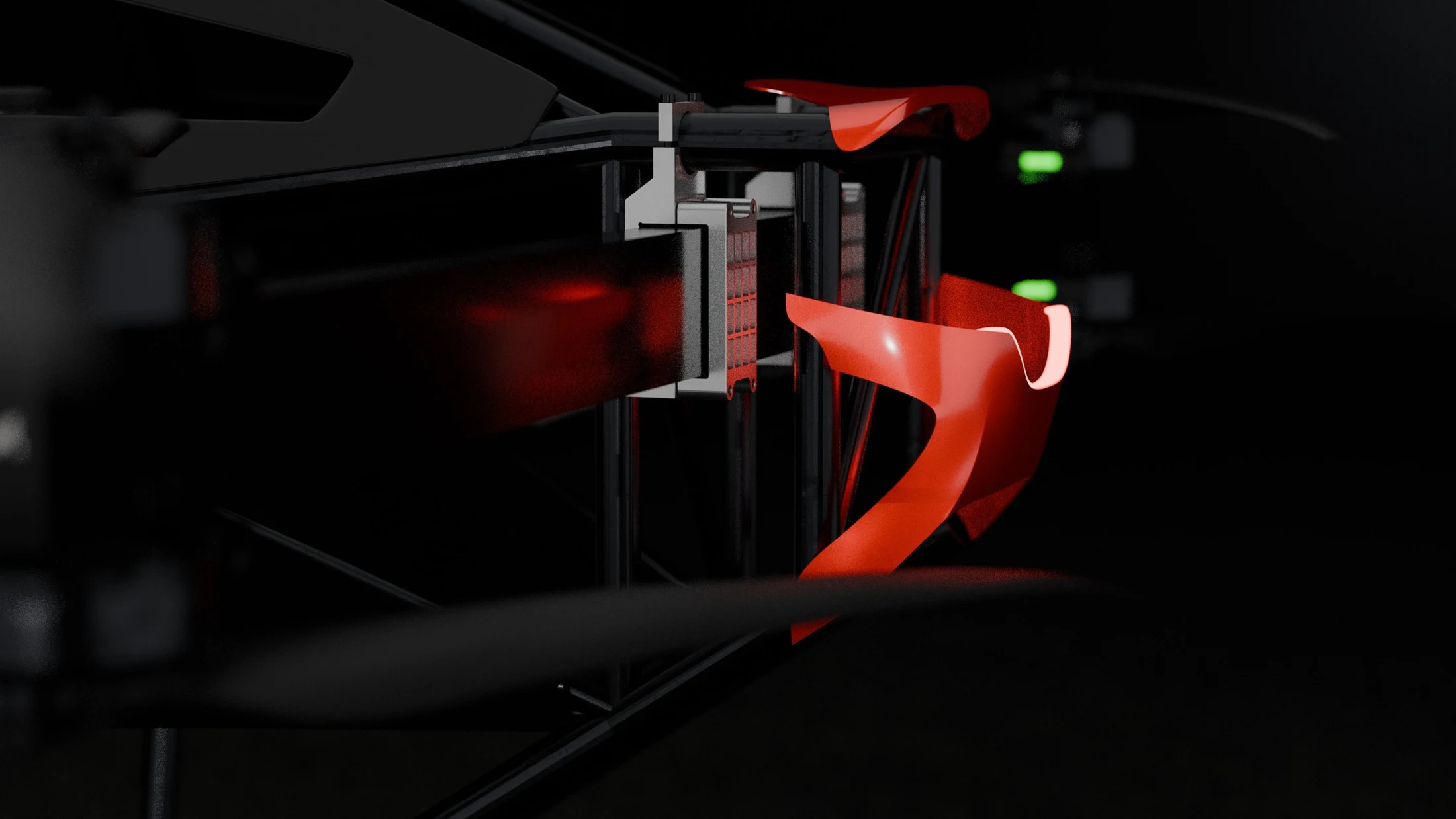
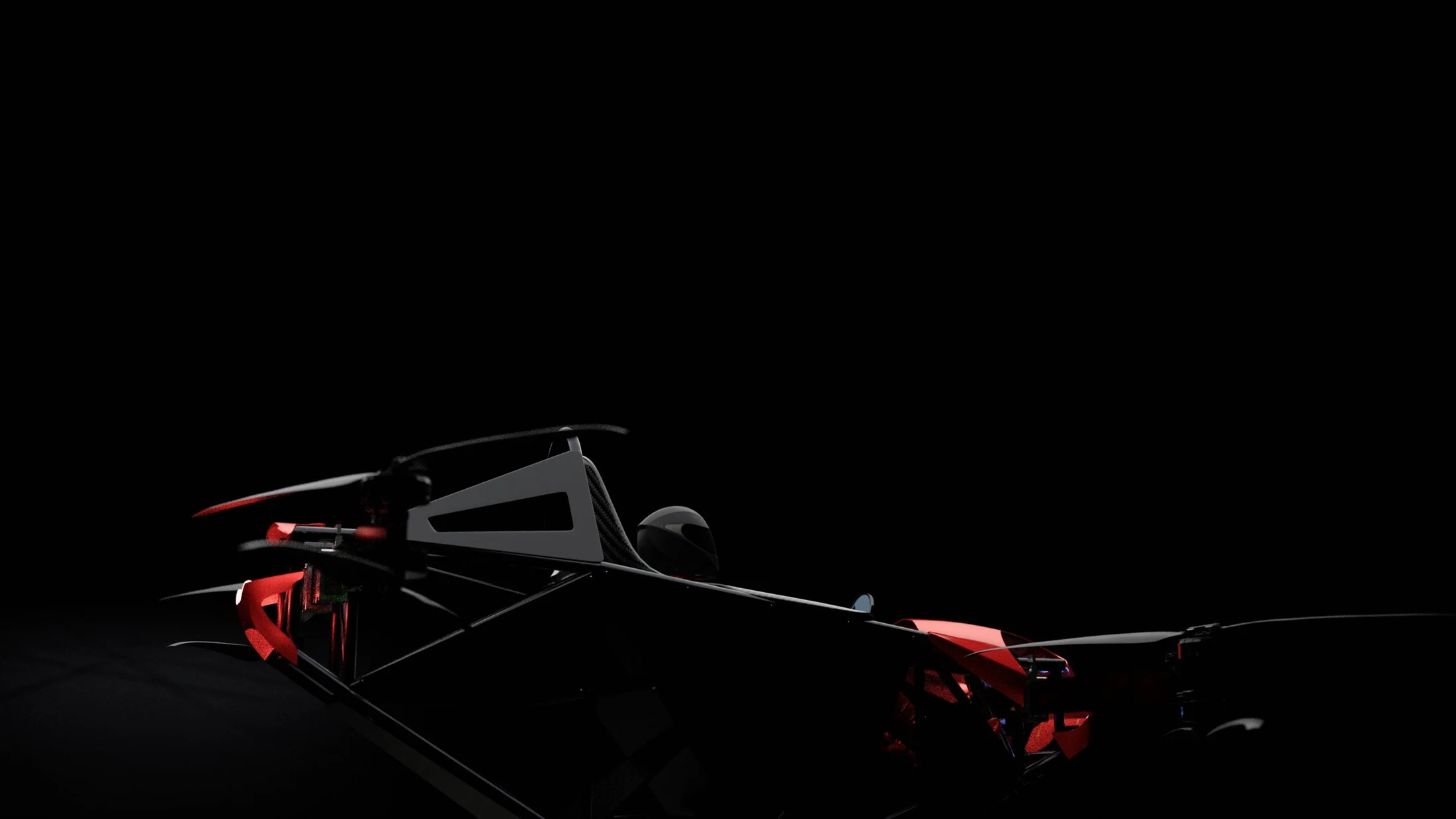
Propulsion & control
Distributed motors and control monitoring form part of the redundancy approach. Fault response and operating limits must be established through testing.

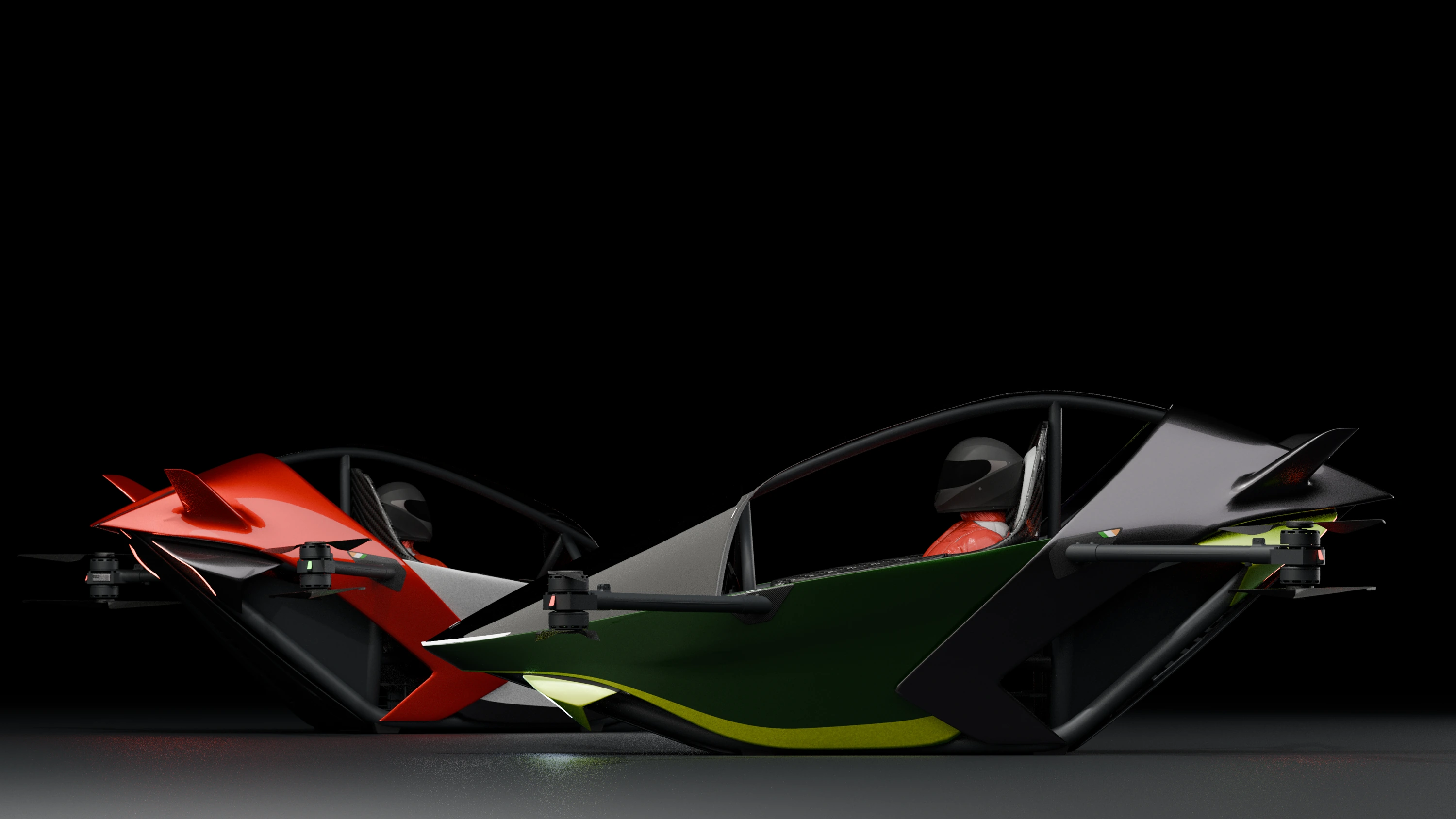
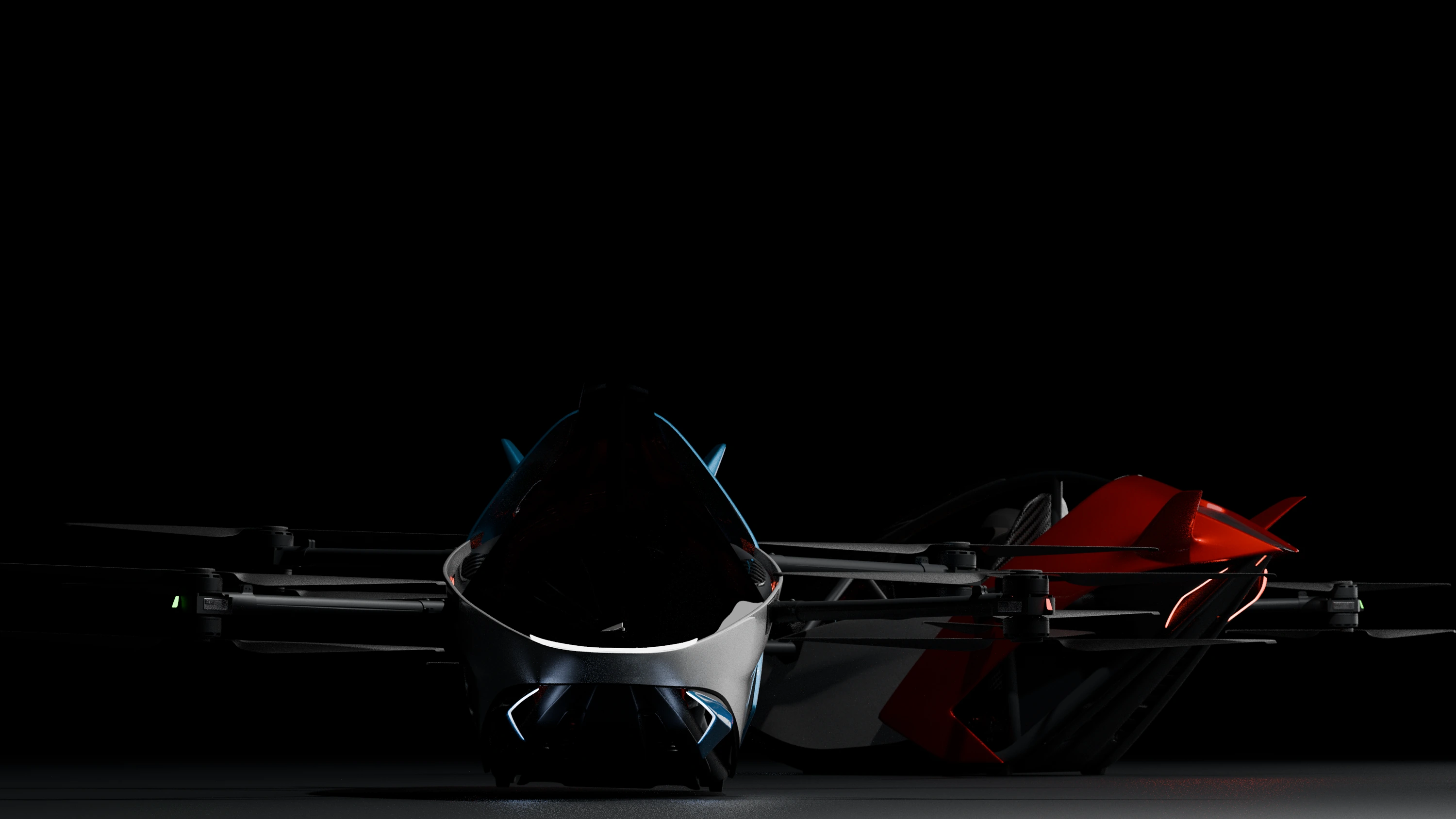
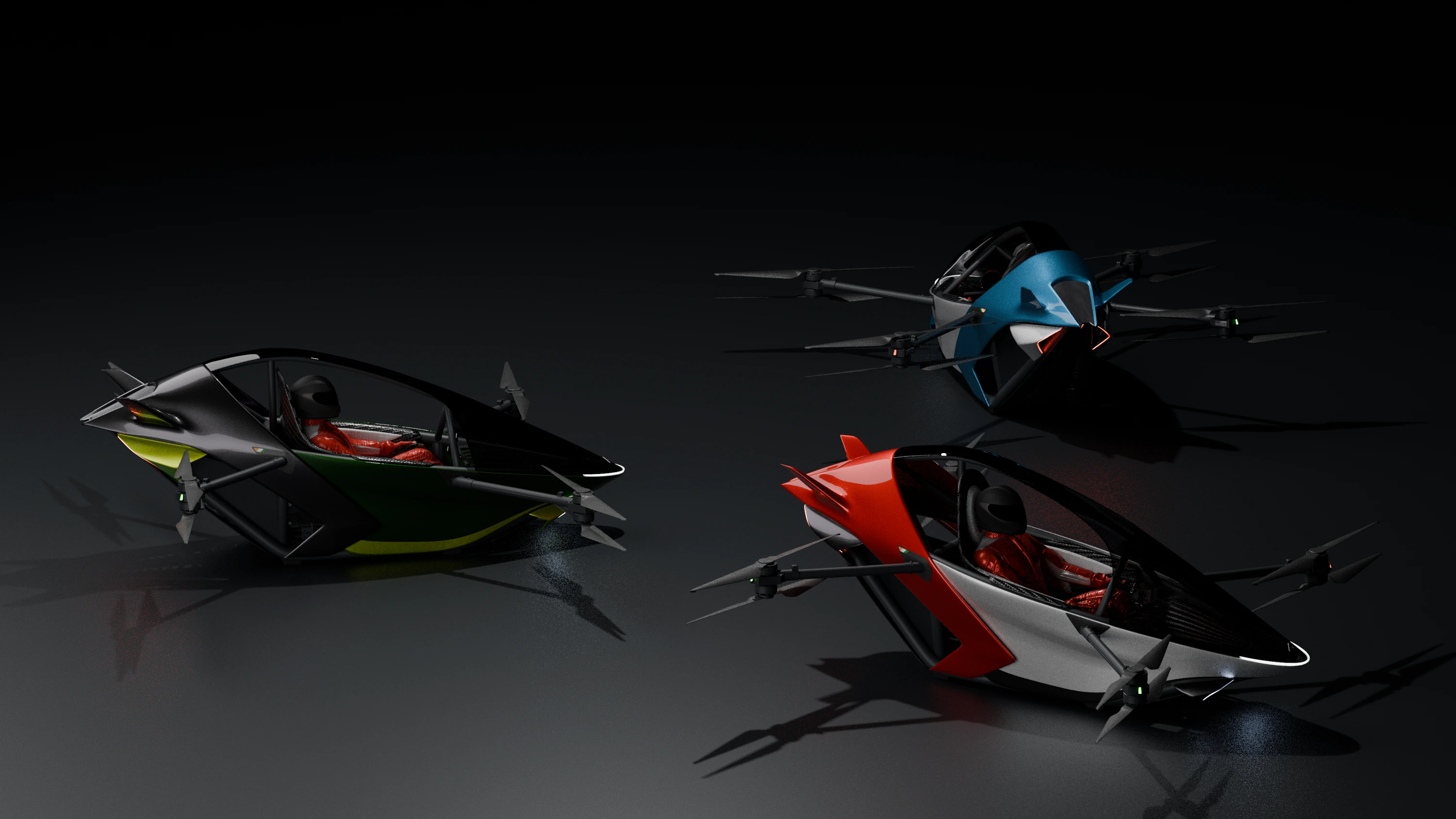
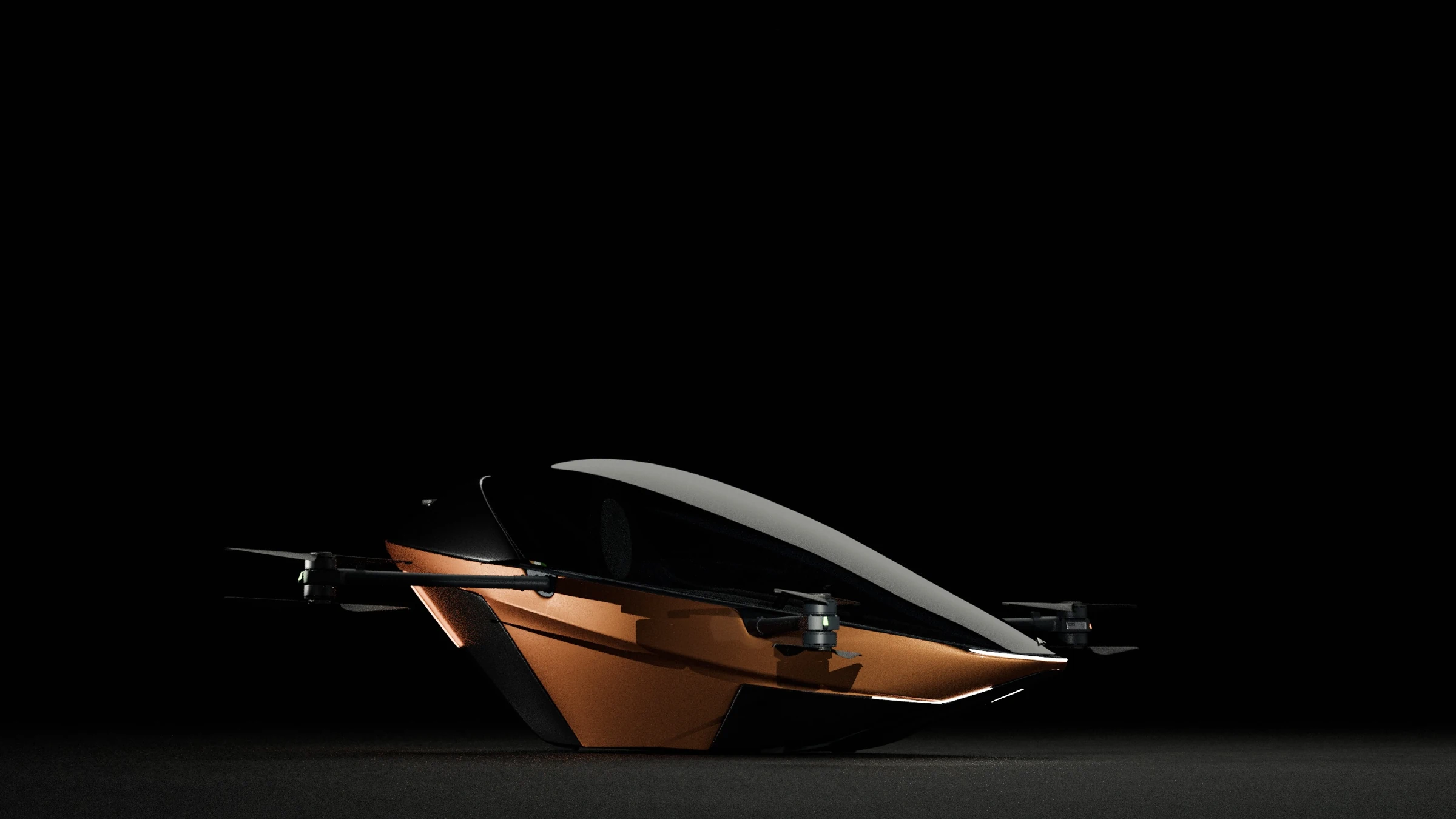
An open cockpit. A direct connection.
We’re shaping Aer Sport around the pilot, the precision
and the feeling of flight.
One person.
An entirely different
relationship with flight.
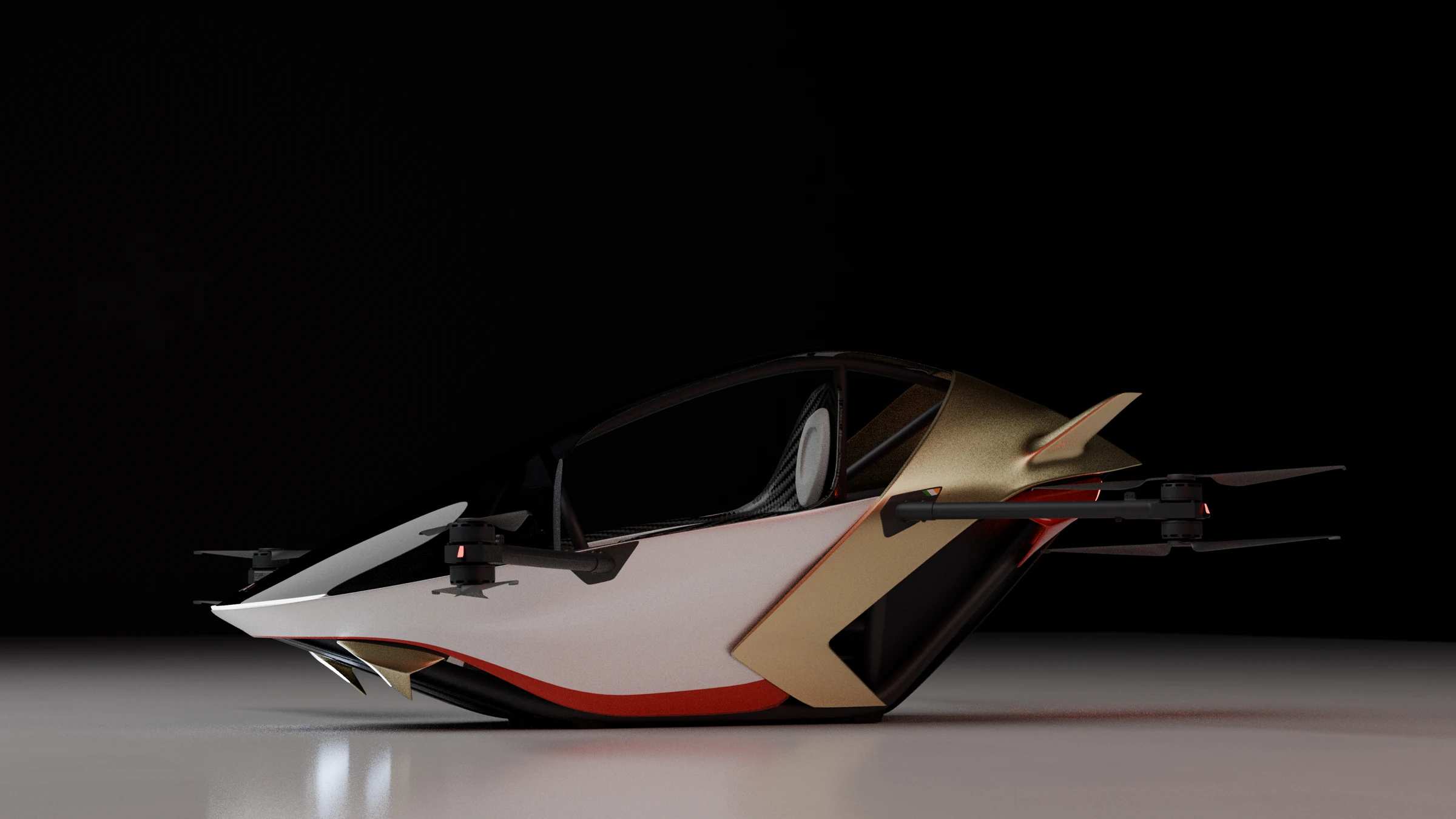
Explore the systems behind the silhouette.
Follow each system, or choose your own view.
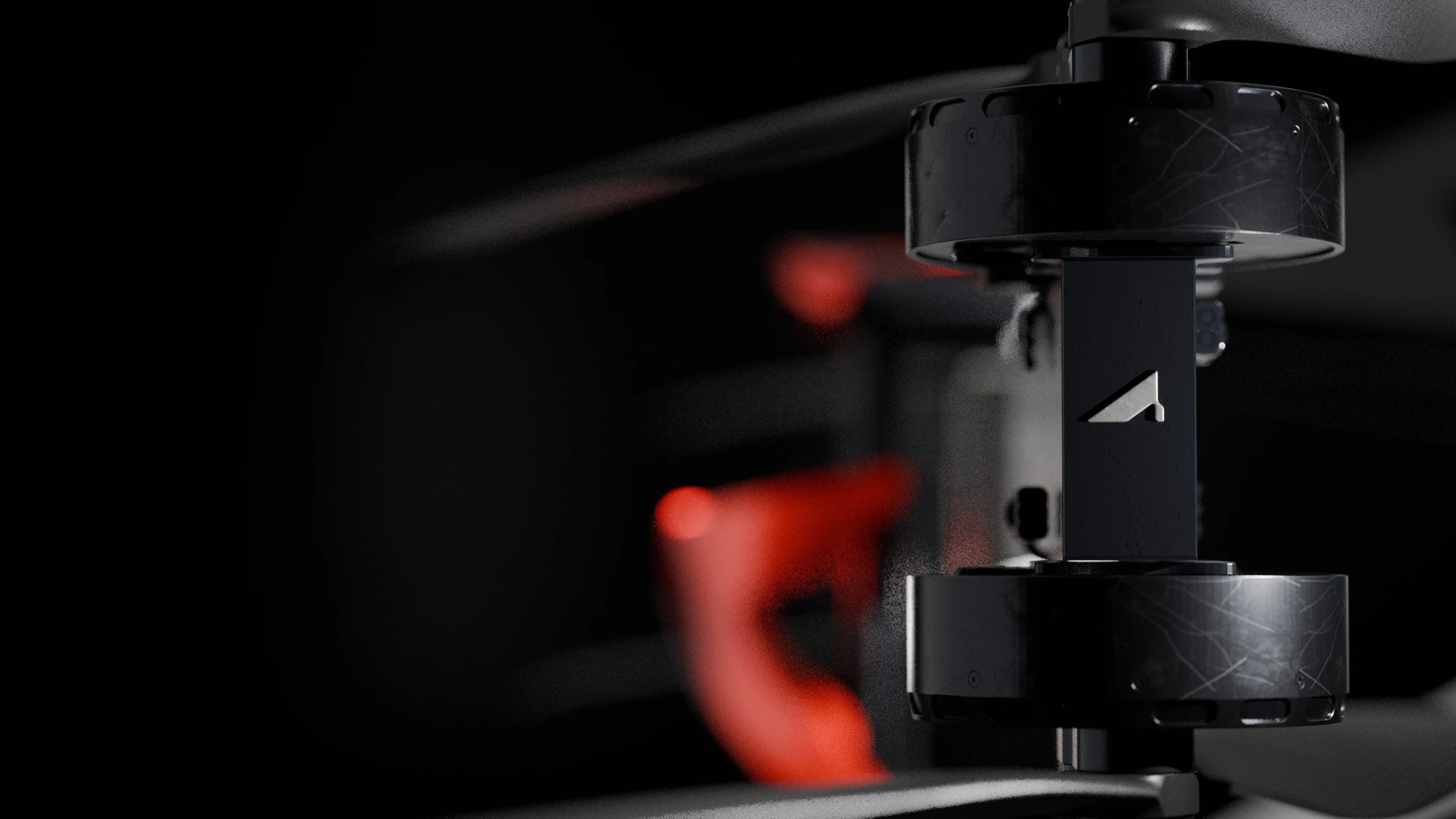 GENESIS / PROPULSION DETAIL
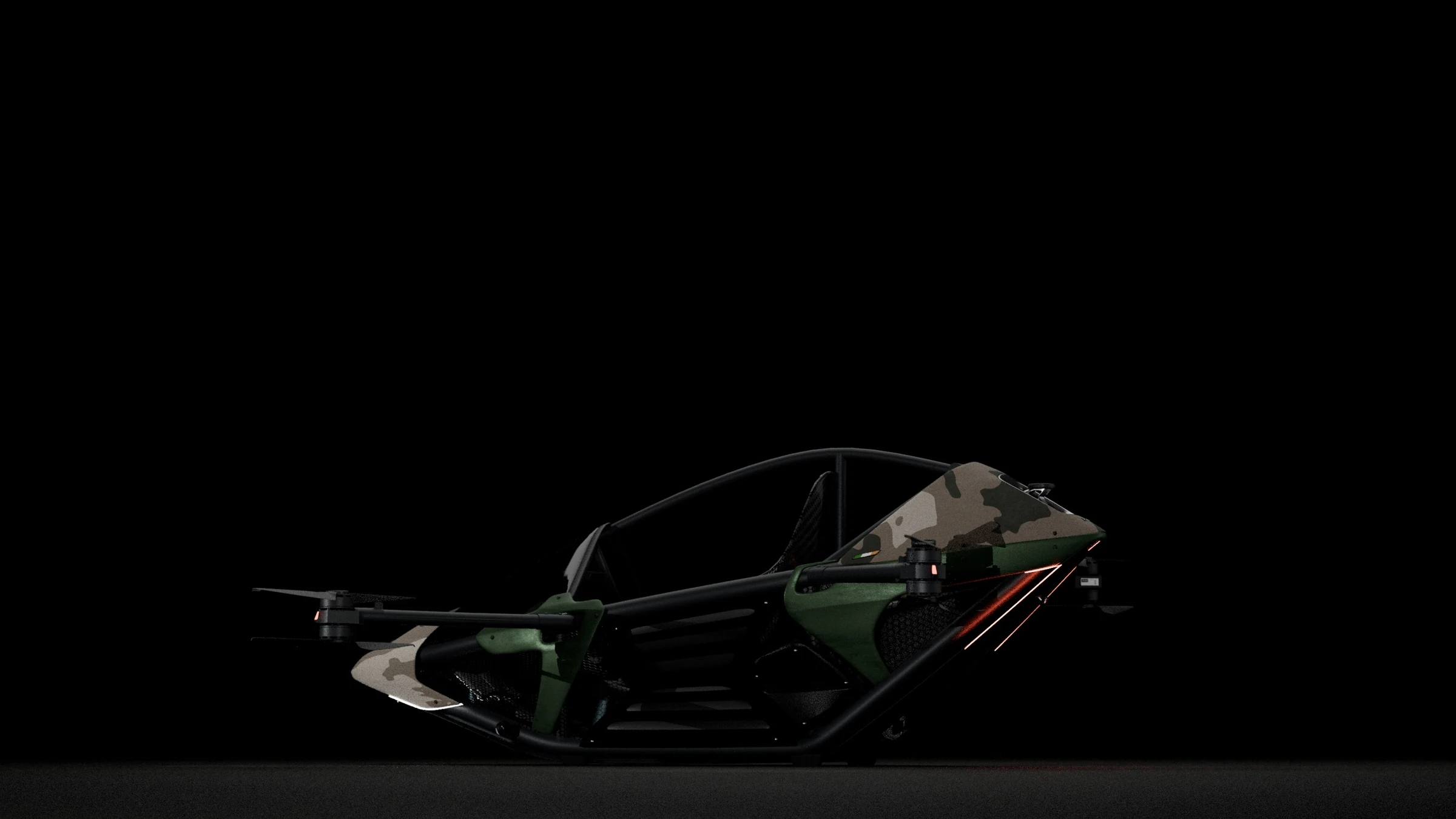
Four coaxial positions pair eight electric motors around the aircraft. The flight-control system coordinates their thrust to manage movement and stability.
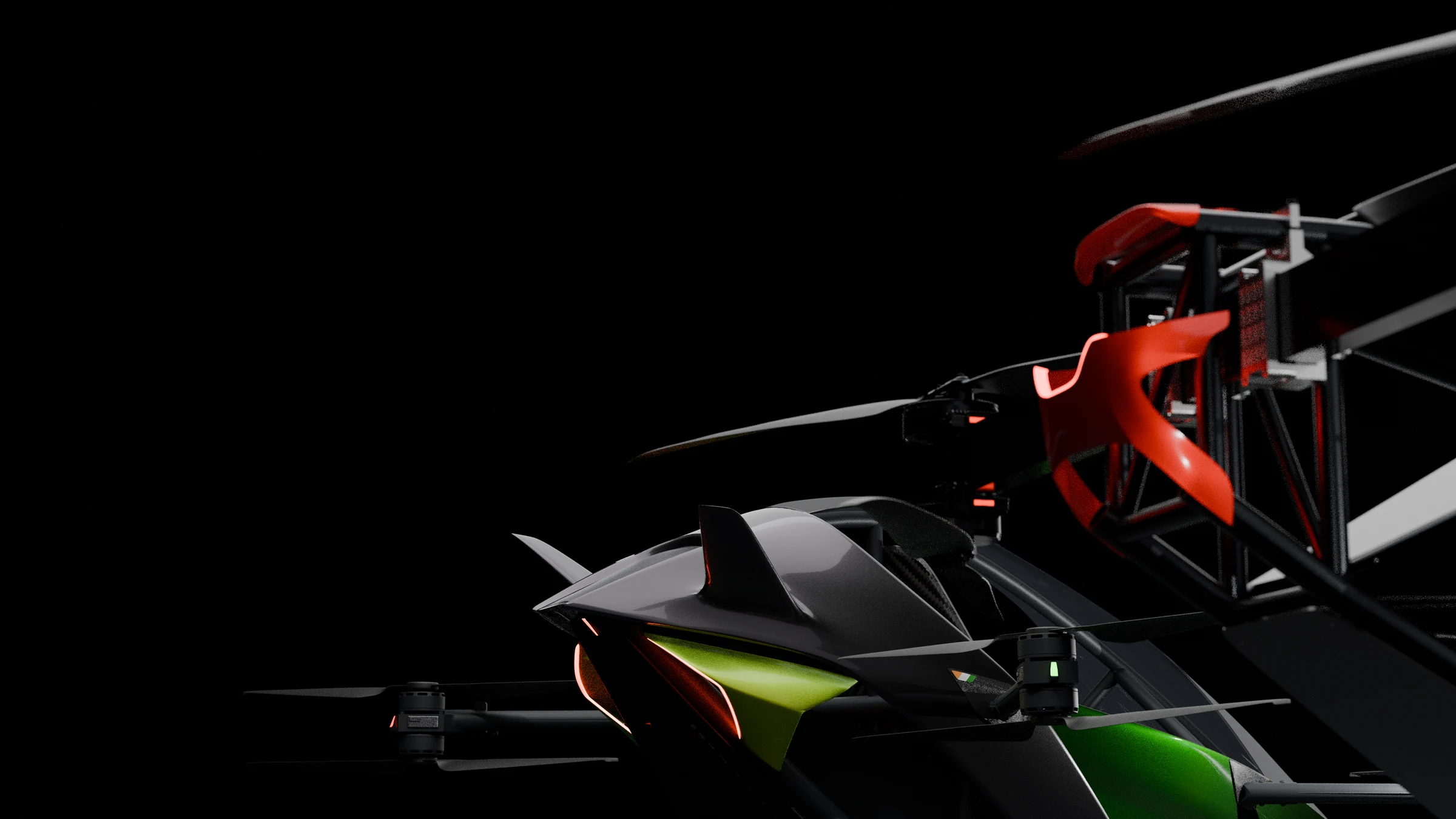
Aer's control philosophy separates what the pilot asks for from the continuous adjustments the aircraft makes. Directional inputs become coordinated motor commands.
Direction, climb, descent and manoeuvre requests.
Sensor information and pilot inputs inform motor commands.
Distributed thrust changes the aircraft's motion and attitude.
The person remains an active part of the flight. Training, situational awareness and operating procedures remain essential.
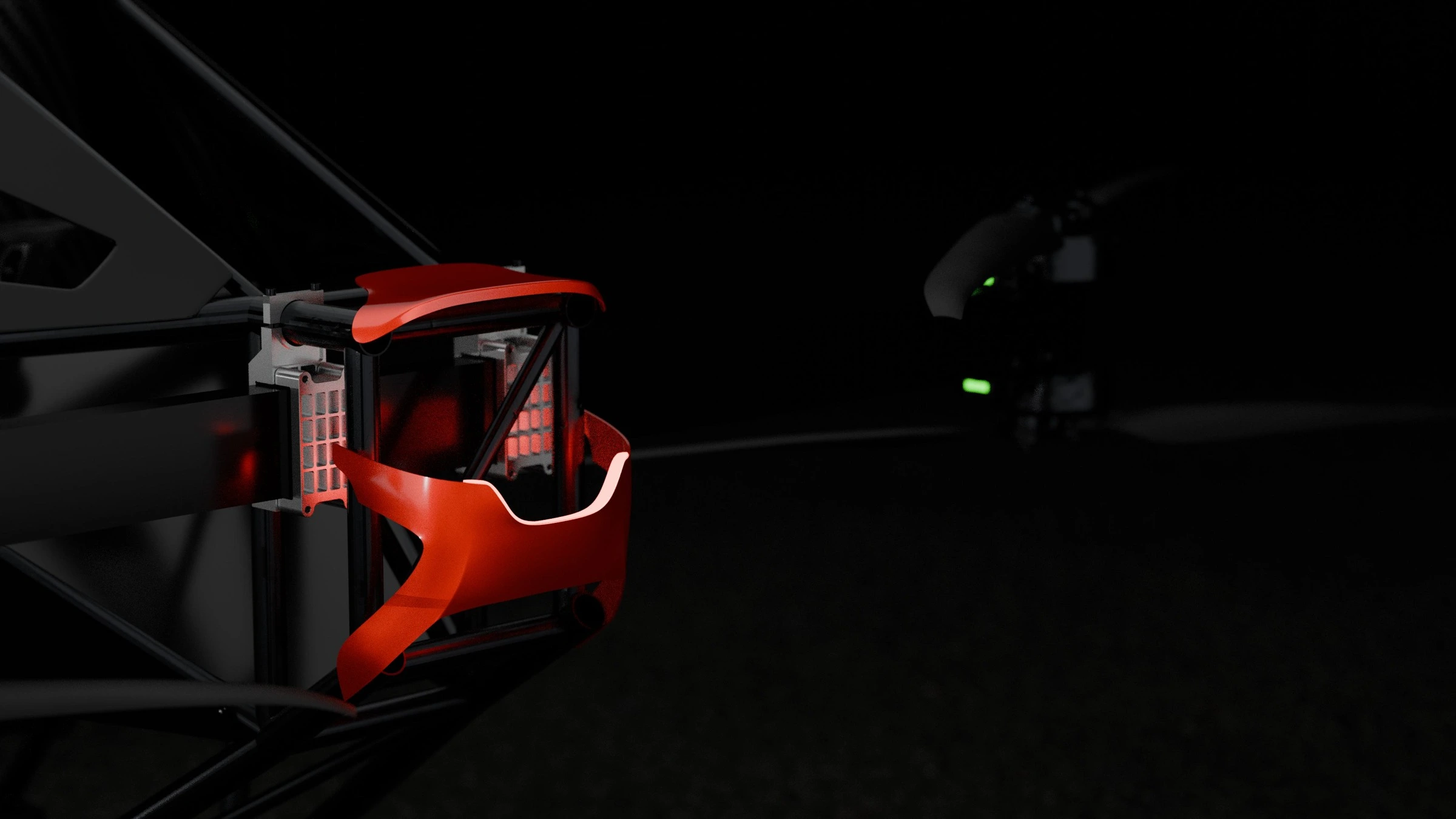
Aircraft systems and operating discipline are developed together. Each protection must be validated for its intended use.
Distributed motors and control monitoring form part of the redundancy approach. Fault response and operating limits must be established through testing.
Battery condition, power delivery and system health are part of the aircraft's operating picture. Energy reserves and inspection procedures support flight planning.
Training, pre-flight checks, weather limits, defined operating areas and ground support complement the aircraft's onboard systems.
The programme describes a ballistic recovery system as a further protection layer. Its effectiveness depends on a validated deployment envelope, including altitude and aircraft state.
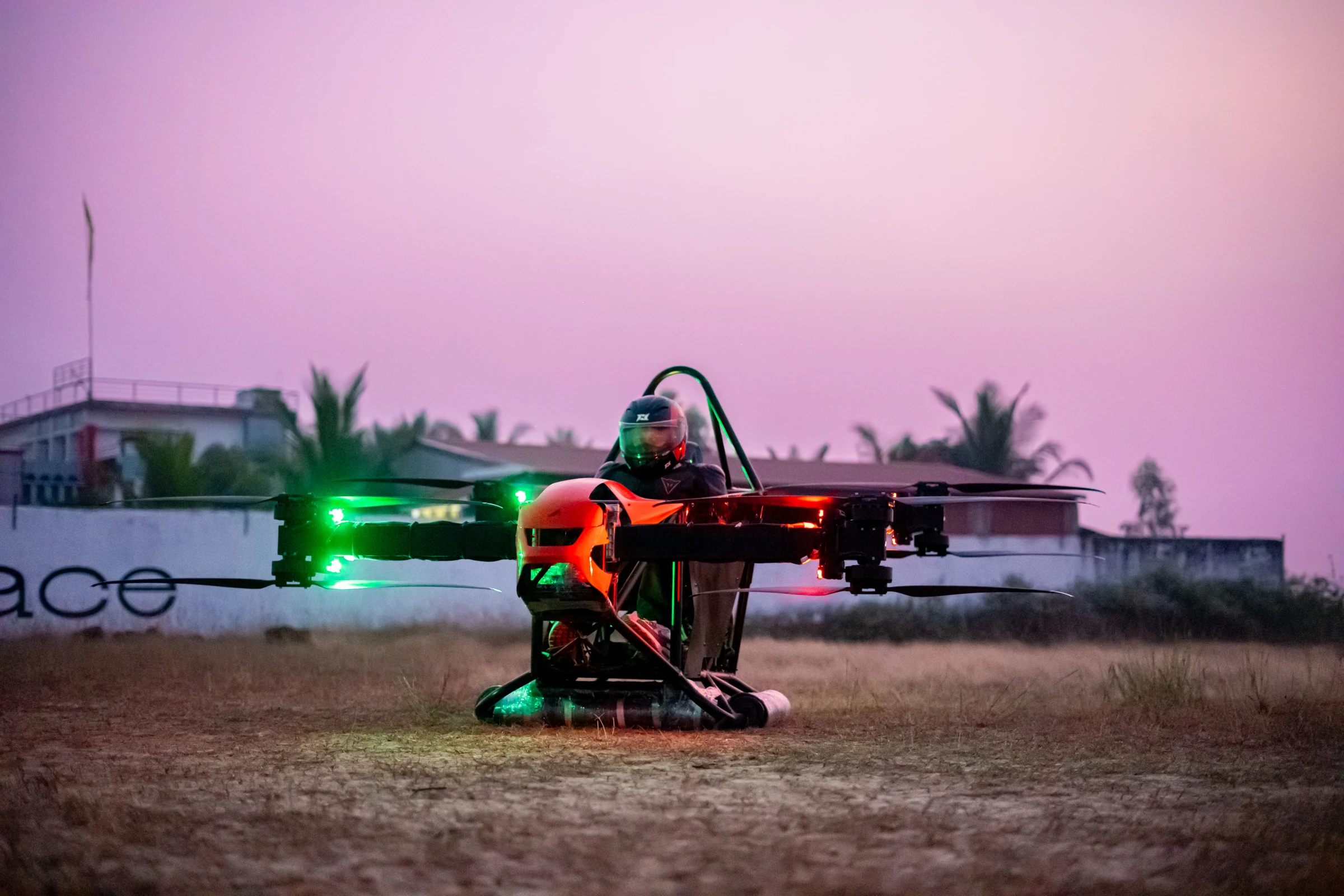
The aircraft at the foundation of the programme. Genesis brings the single-seat control philosophy and hardware into flight testing.
Watch Genesis fly ↗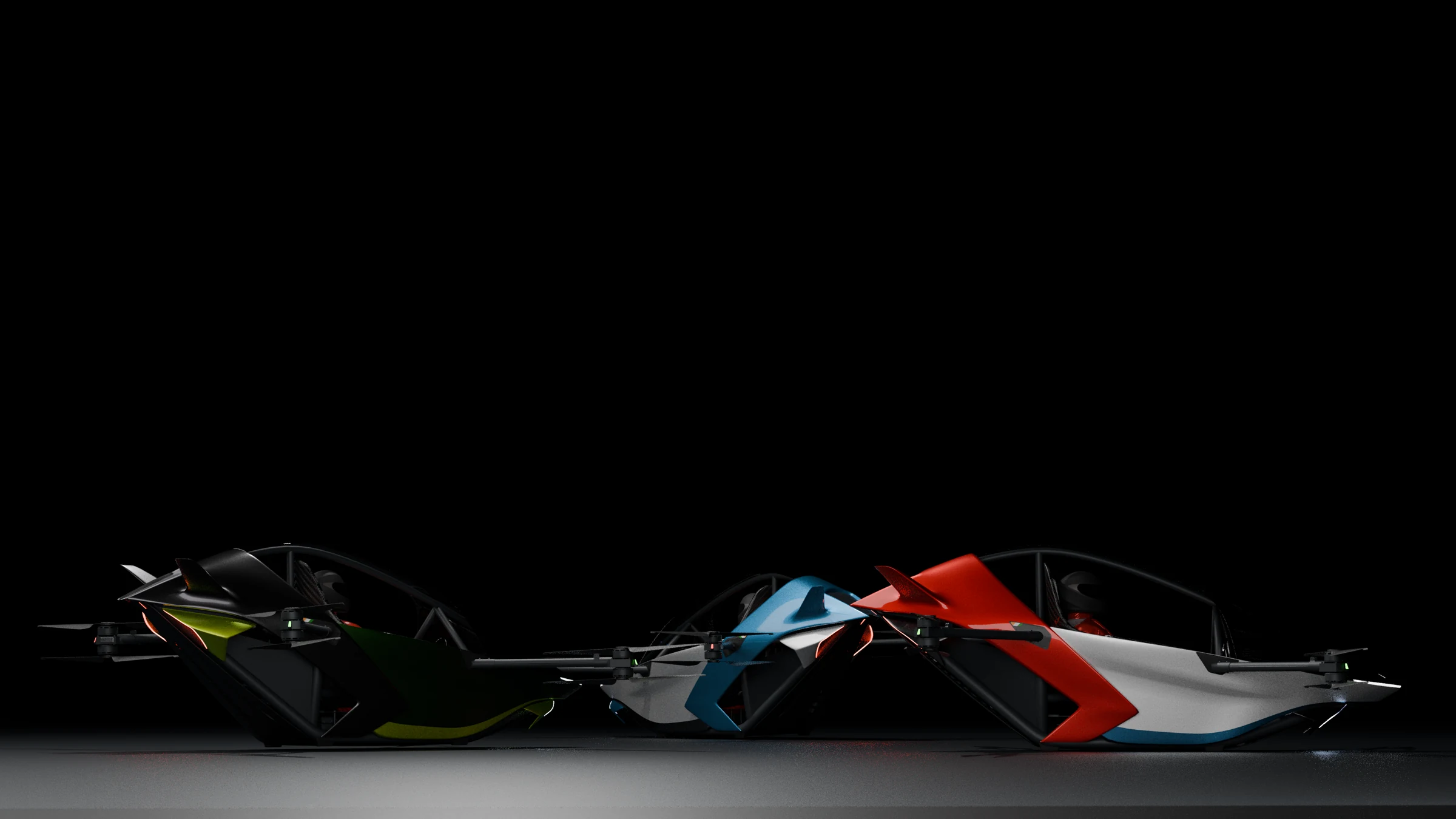
The performance direction of the Aer platform. A race-intent aircraft being developed around control, pilot skill and controlled competition.
Discover aerial motorsport ↗The Genesis platform, in numbers. These indicative figures describe our flight-validation aircraft; each Aer variant has its own development specification.
Cruise speed
Flight range
Flight time, with 10% reserve
Maximum payload, one occupant
We continue to refine Genesis through engineering and flight validation. Performance varies with configuration, payload and operating conditions.
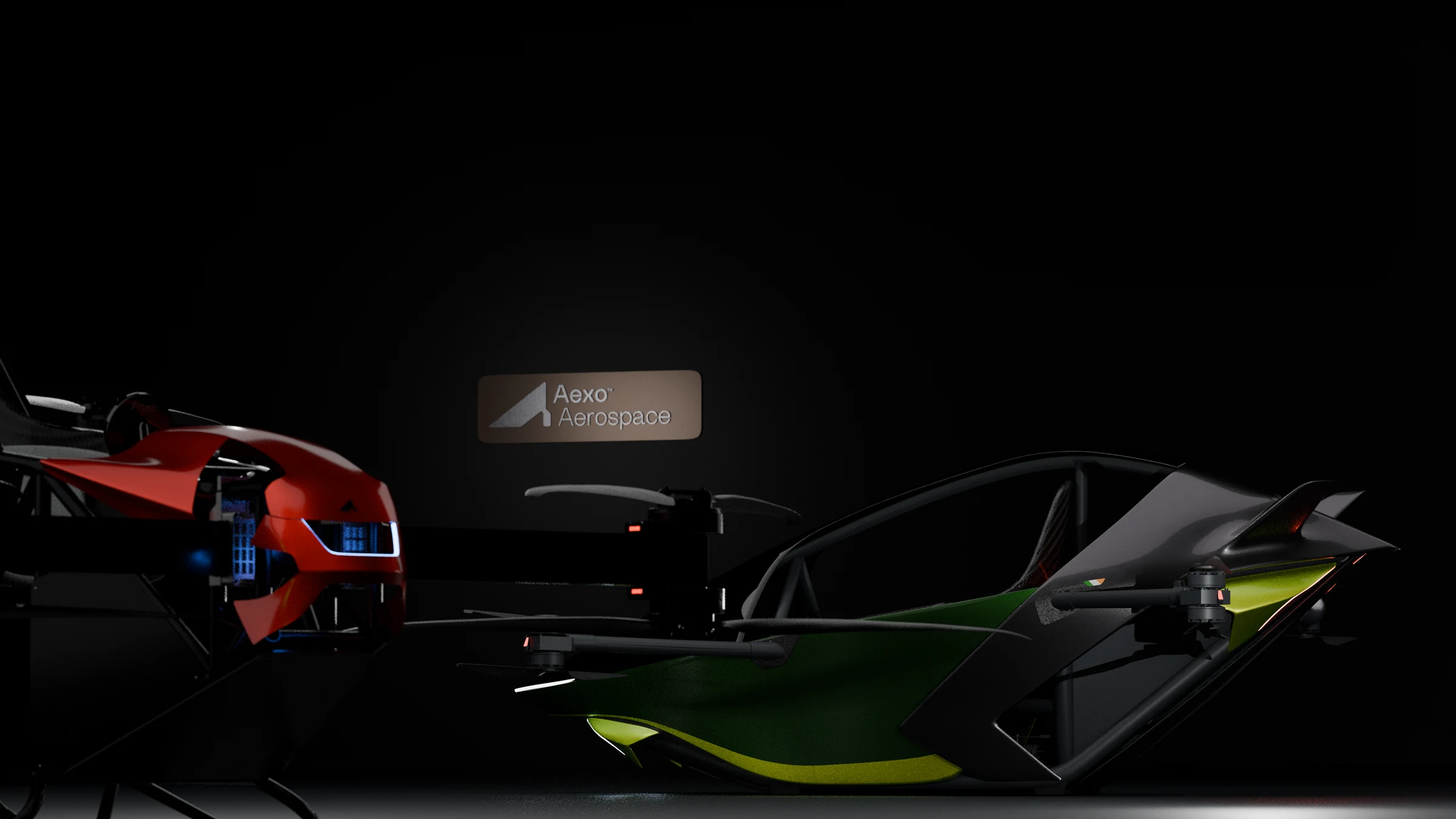
Genesis lays the foundation.
Sport explores what comes next.
Both belong to the Aer single-seat electric aircraft programme. Genesis is the flight-validation foundation; Sport carries those learnings into a more integrated, performance-oriented design direction.
Genesis is the flight-validation foundation. Sport is the performance-oriented development direction. Their imagery, specifications and programme stages should be considered separately.
Yes. Contact Aexo to discuss the current programme, your location and intended use. The team can confirm availability, relevant training and operating requirements.
The operating location, aircraft configuration and local requirements all matter. Aexo can discuss these with you; this website does not imply permission to operate in any particular area.
Vyura Neo is the two-seat programme. It explores how the shared architecture could support a broader set of journeys and applications.
An aircraft to explore. A programme to follow.
A possibility to build together.