A defined use.
Start with the mission, the people and the intended outcome.

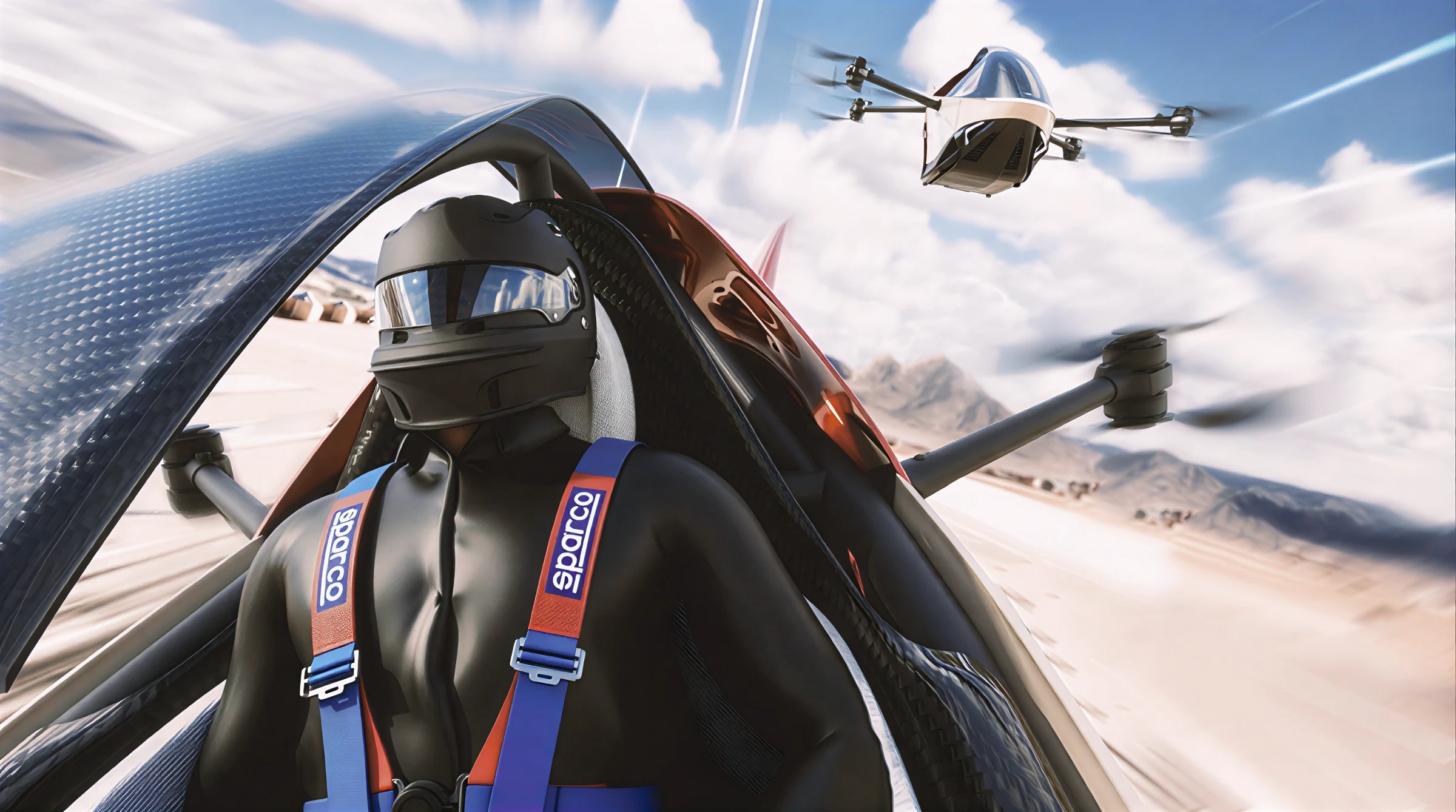
Personal experiences. Competitive spirit. Purposeful missions.
Explore the directions taking shape around Aer.
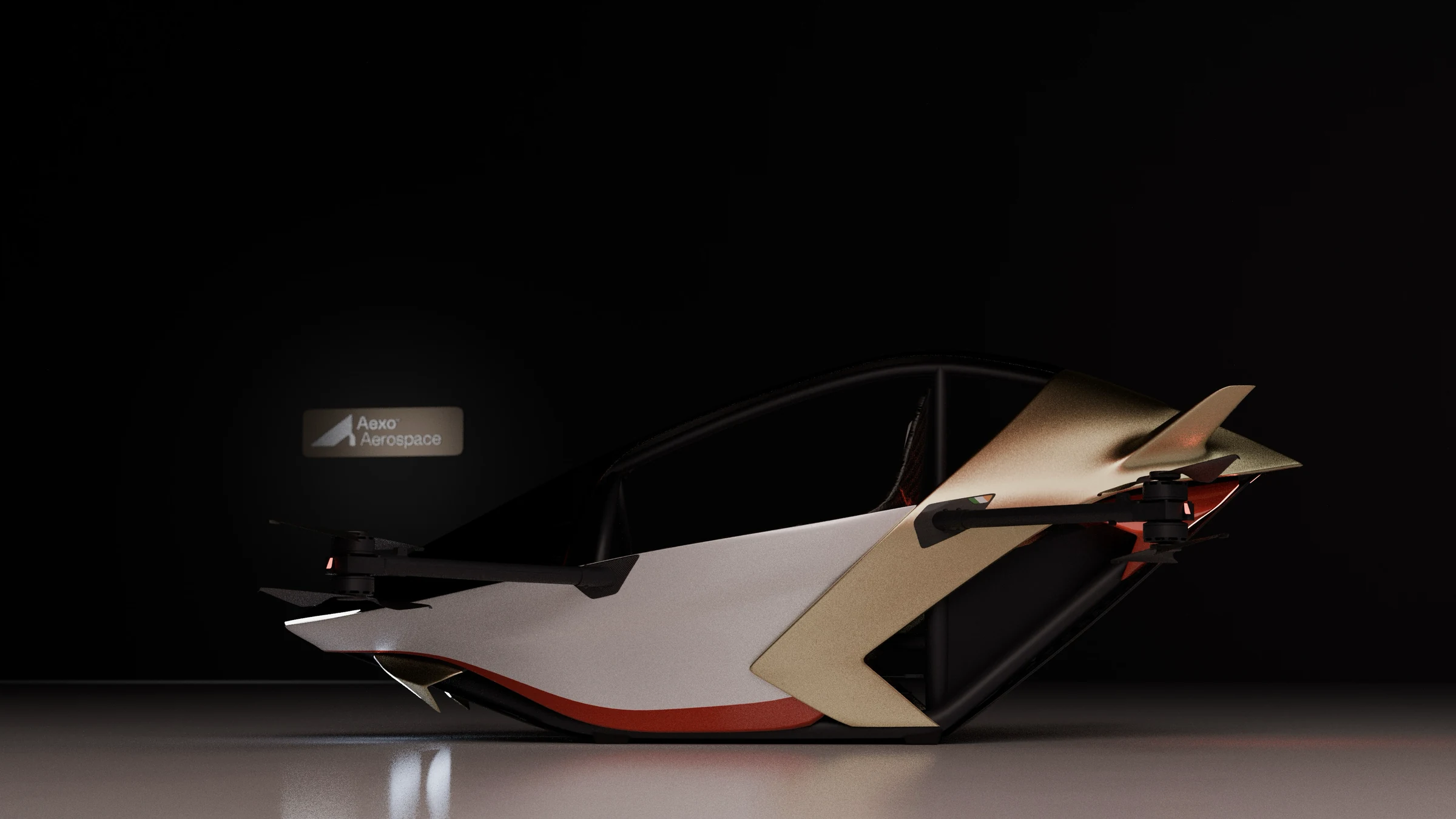
One seat. A world of your own.
For people drawn to flight. For clubs that bring them together. For destinations exploring a different kind of experience.
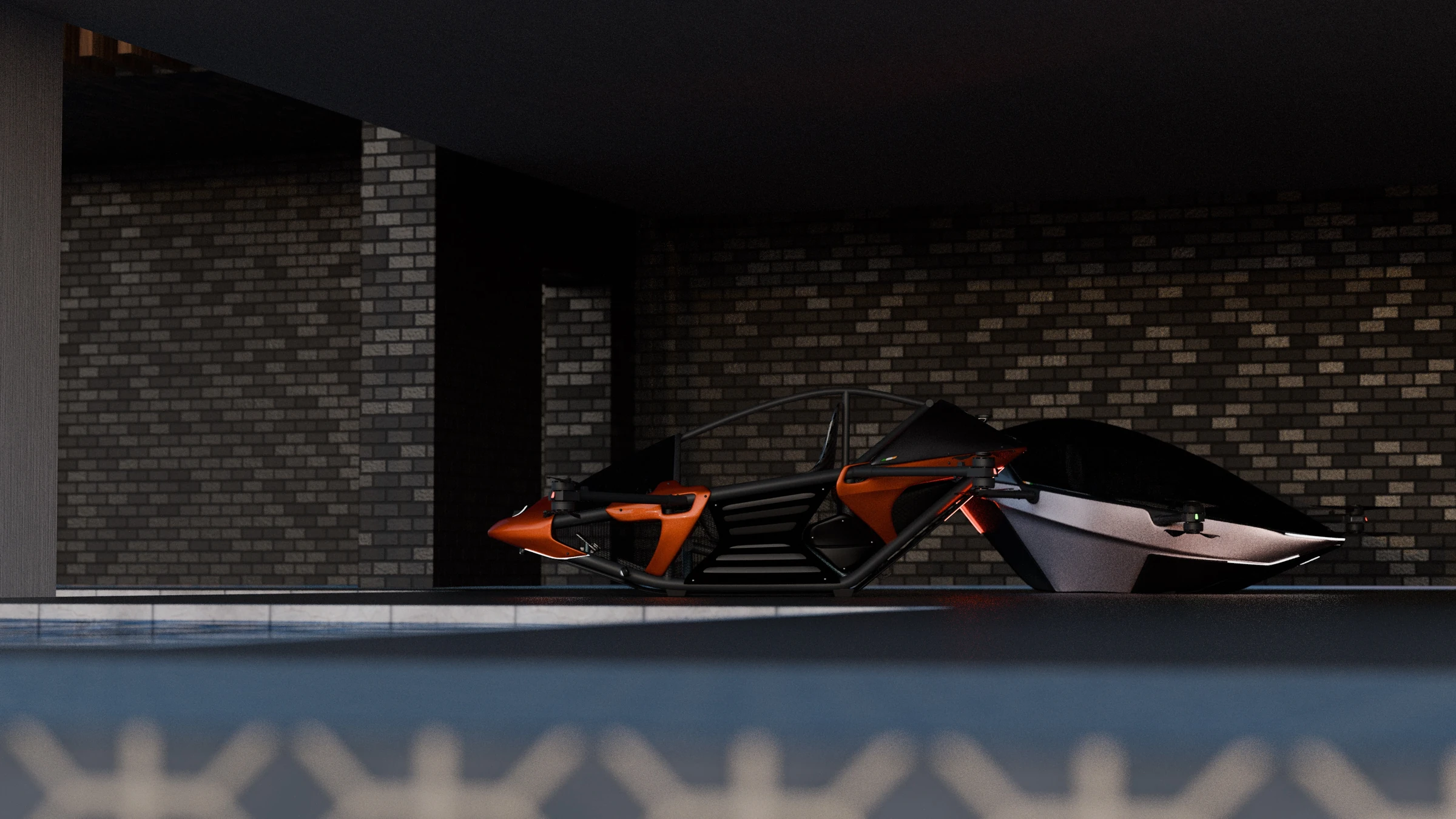
Aer's single-seat format puts one person at the centre. Private ownership, flying clubs and controlled destination experiences are the starting points for a new relationship with flight.
A single seat means one occupant. Training, supervision and the operating model are defined for each proposed experience.
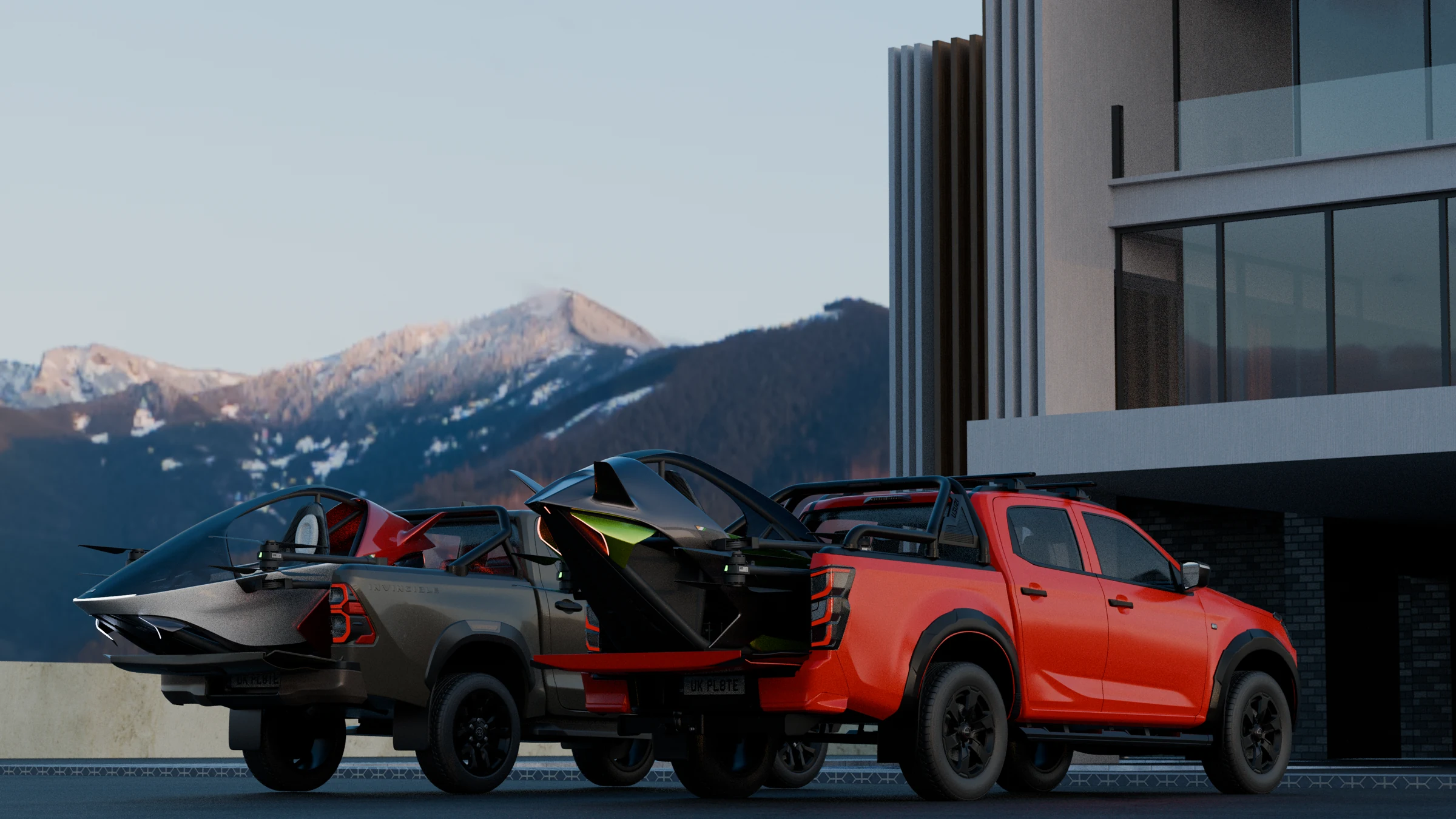
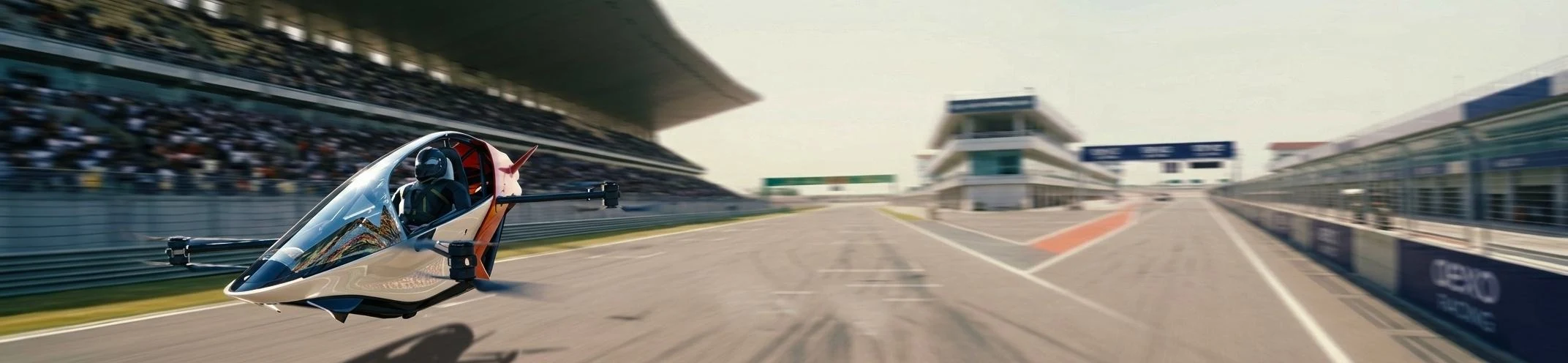
The proposed Aexo formula begins with a controlled challenge: one aircraft, a defined course and the clock. Pilot skill, consistency and execution become the first measures of performance.
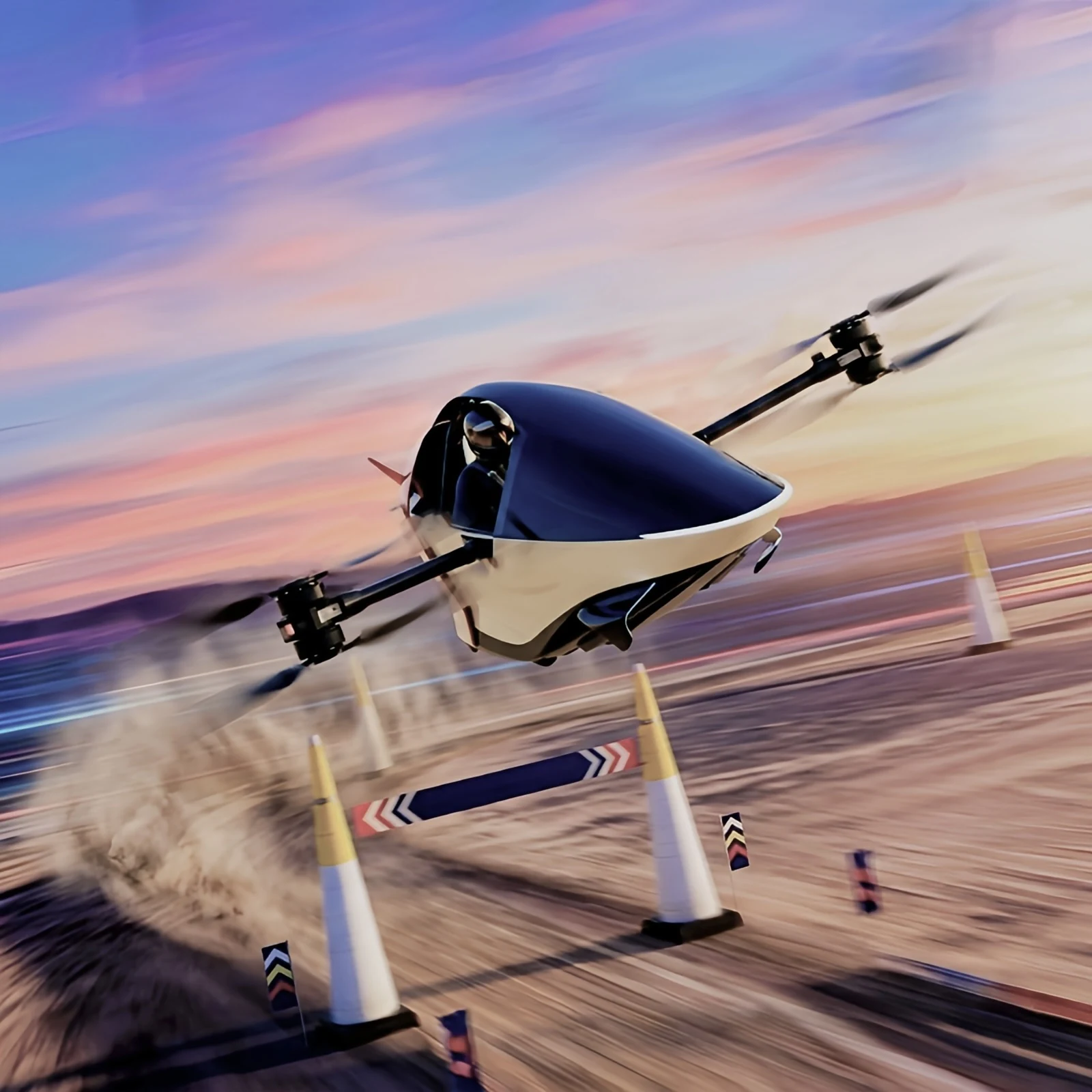
Engineering-led flights and a defined operating envelope.
Timed runs. One aircraft on the active course.
Expand competition as evidence, systems and rules mature.
A mission begins with a need. Medical logistics offers a focused way to explore how compact aircraft could connect places where time matters.
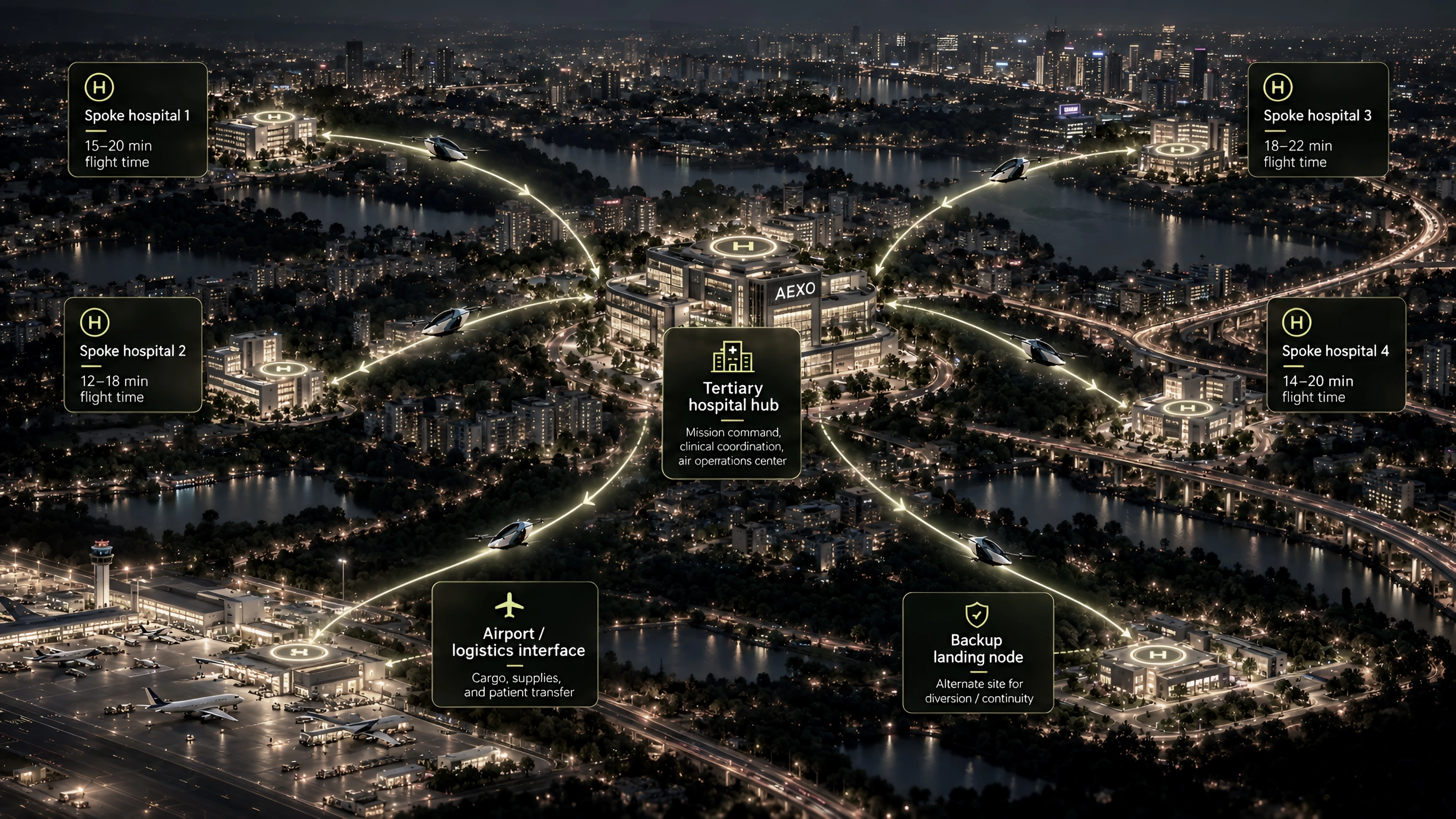
Routes and flight times shown are illustrative planning scenarios.
Aexo's medical mobility proposal begins with planned logistics routes: time-sensitive supplies, selected hospital nodes and clearly defined operating procedures.
Cargo, responder carriage and patient transport require different configurations. Larger-aircraft medical missions form a later development path.
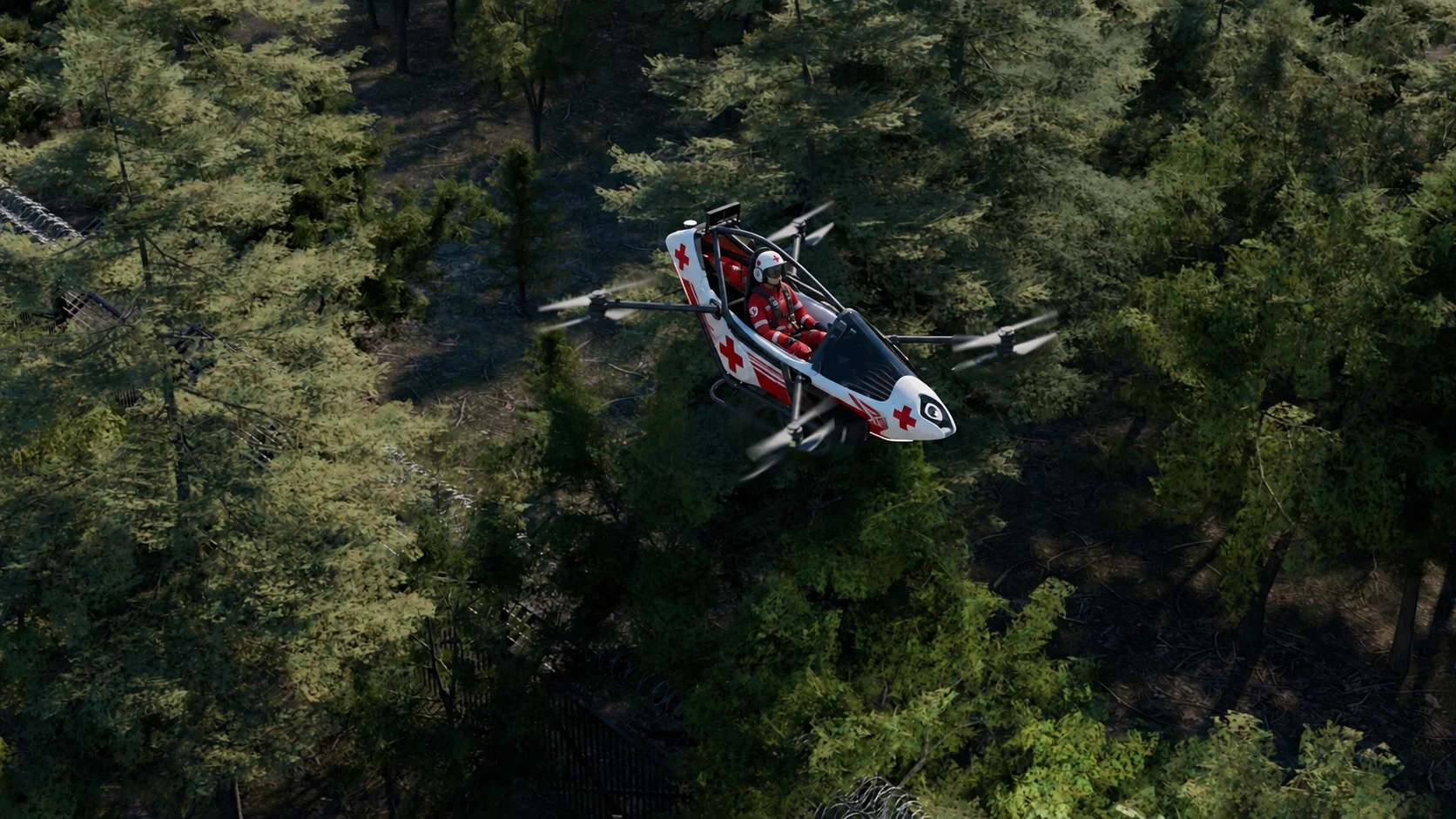
Explore the space between small unmanned systems and larger aircraft, with configurations shaped around specific short-range missions.
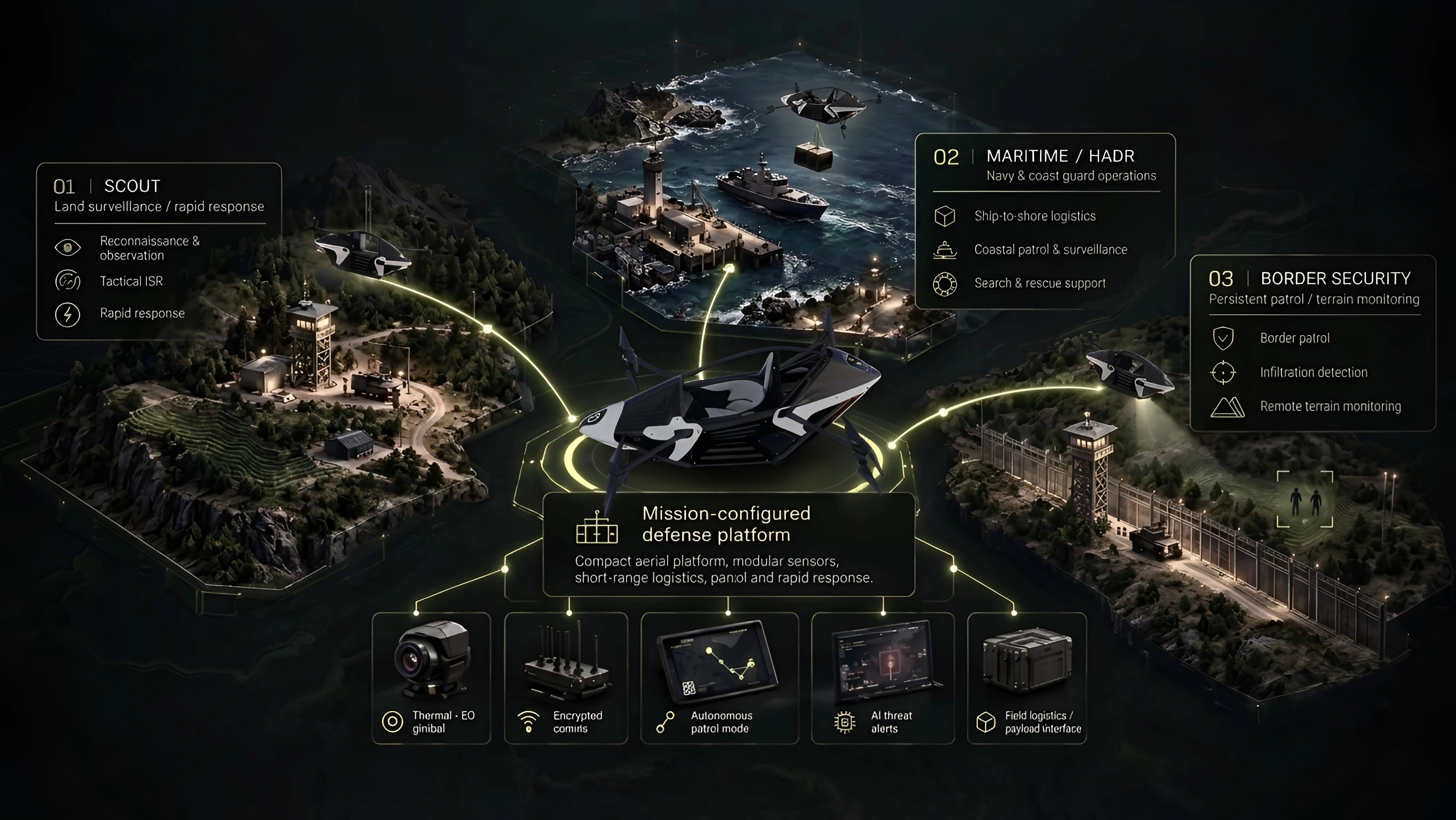
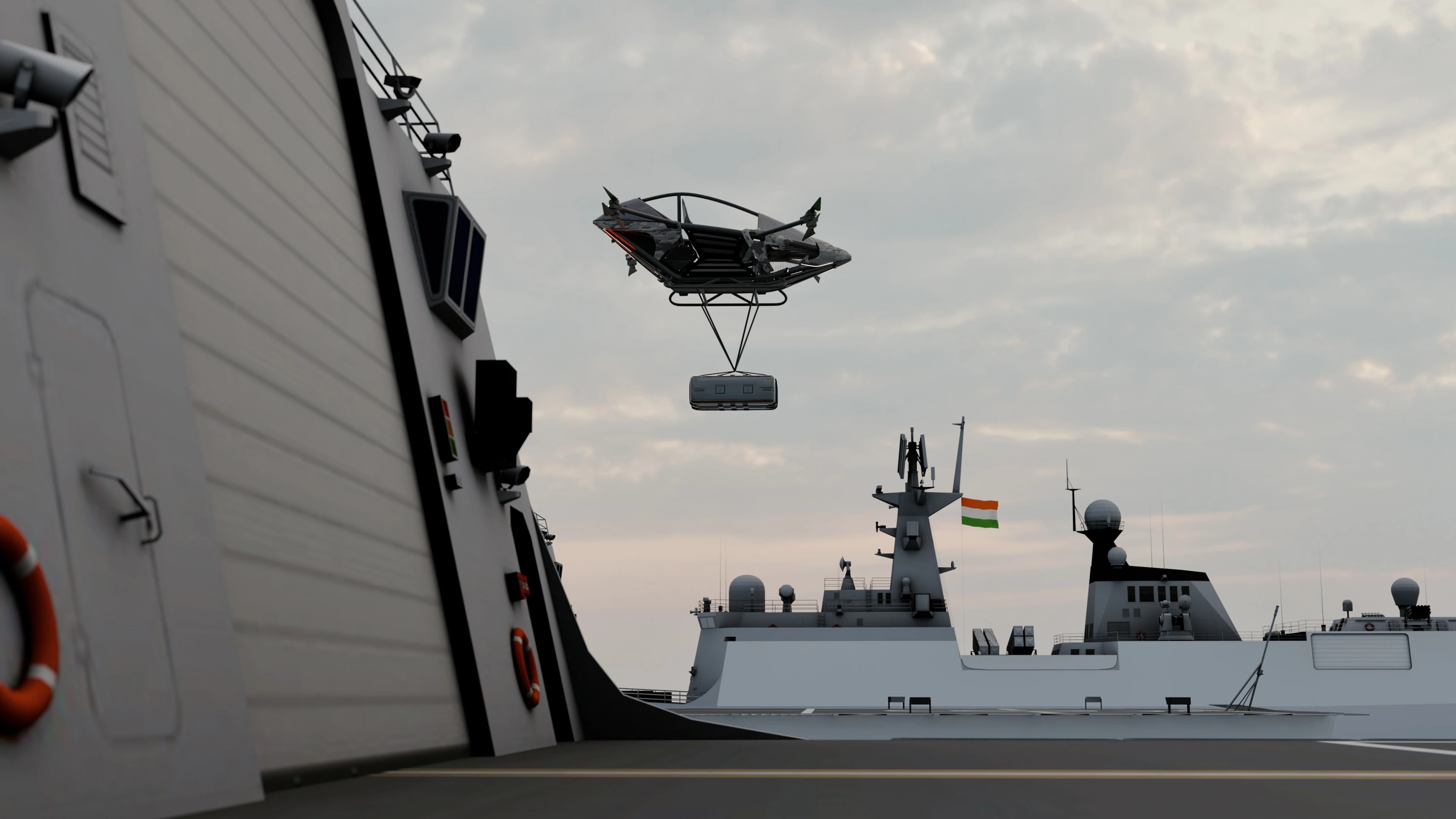
The proposed defense family explores observation, short-range logistics and response. Mission equipment, environmental demands and the intended control mode guide each configuration.
Each direction has a separate development and validation path. Aexo works from the operational need to define the next step.
A useful application brings together people,
places and a workable operating model.
Start with the mission, the people and the intended outcome.
Assess the route, landing sites, charging and local requirements.
Plan training, maintenance, supervision and operating procedures.
Evaluate controlled pilots before expanding the programme.
An aircraft to explore. A programme to follow.
A possibility to build together.